

Hi, I’m James Larson, writing from Sartell with a look at our community’s weather, water, and land—what’s working, what’s risky, and what you should know.
Watersheds, Rivers & Stormwater: How Rain Shapes Our Landscape
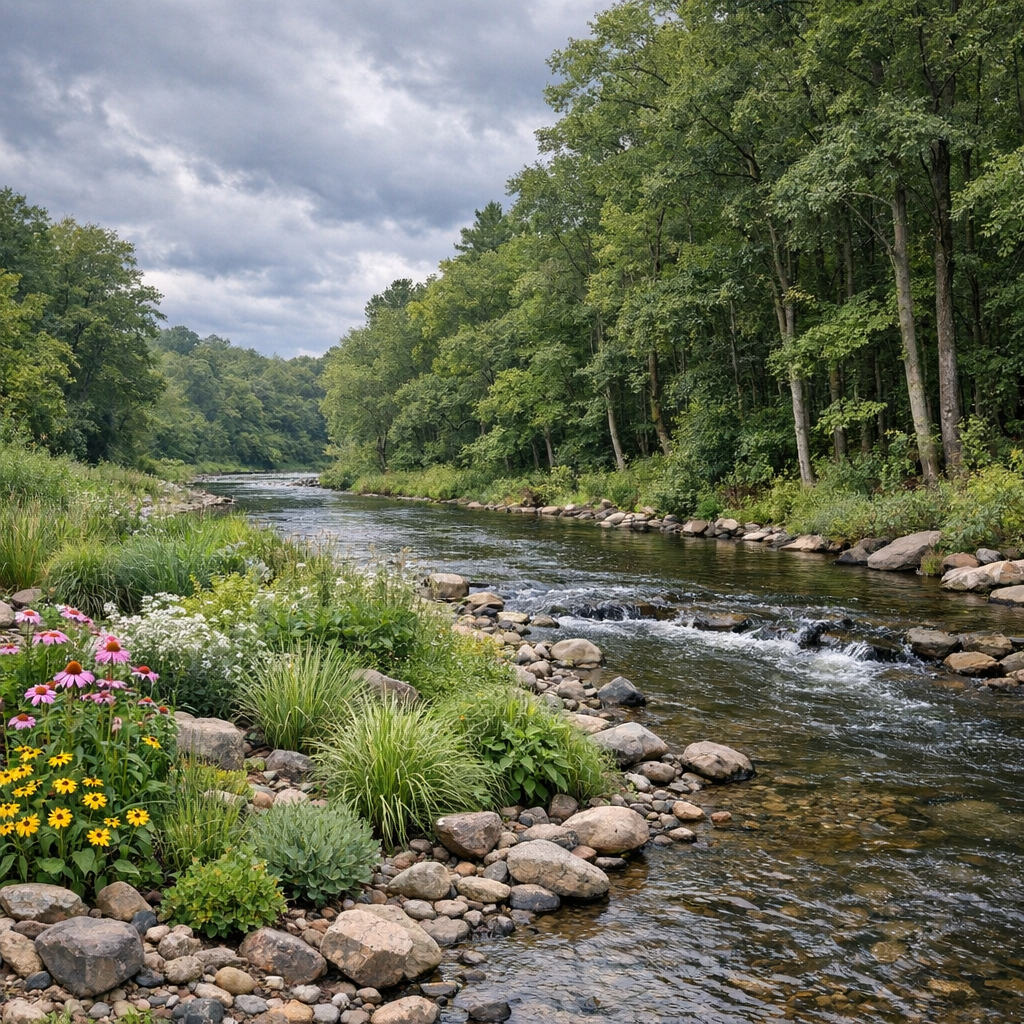
Sartell sits mainly within the Mississippi River watershed, and streams like Little Rock Creek play a vital role. When heavy rainfall hits in warmer months, runoff from farms and urban surfaces carries excess phosphorus, sediment, and sometimes bacteria into waterways. That contributes to algae blooms and can affect fish habitats. Our rivers and lakes downstream feel this pollution over time. (Yes—these are ongoing issues.)
Groundwater Levels & Summer Low Flows
During dry spells—typically in late summer—streams like Little Rock Creek reach their lowest flow levels. Research shows excessive groundwater pumping and upstream diversion during those times reduce stream flow by more than 20% in some years. That hurts aquatic life, especially fish that depend on consistent water temperatures and flow. The Minnesota DNR recommends limiting groundwater diversion to help maintain critical summer baseflow.
Water in Your Home: Safety and Emerging Concerns
Tap water in Sartell is generally safe, meeting most state and federal standards. There was, however, a recent flag for copper levels above the EPA action limit—which typically results from old pipes or plumbing—though health-based violations were not reported. Also worth noting: PFAS (so-called “forever chemicals”) compounds were detected, but so far at levels below new regulatory limits. These findings highlight how changing rules and regular testing are part of staying safe as new risks emerge.
Land Use and Sensitive Areas: Planning for Resilience
Sartell has a zoning code that designates and protects “environmentally sensitive areas.” These include floodplains, wetlands, forested land, high-quality geological features, and riparian corridors—areas along rivers and streams. The city’s ordinances encourage conservation design and offer incentives for developers to work with—not against—these natural features. This planning helps in flood control, preserves biodiversity, and buffers impacts from storms or changing climate.
Small Actions, Big Impacts: What Residents Can Do
- Plant native species in your yard to reduce runoff and support local wildlife.
- Support or build rain gardens; they help filter stormwater and reduce erosion.
- Dispose of medications and hazardous household products through proper channels—not by flushing.
- Keep your plumbing in good shape; replace old pipes that may contribute to copper in tap water.
- Support city efforts for green spaces and trails, which help connect habitats and manage stormwater naturally.
We live in a place of changing weather patterns—from warmer winters to unpredictable rainfall. But through responsible planning, watershed protection, and community engagement, Sartell can stay ahead of many environmental challenges. Let’s keep informed and work together.